June 18, 2026
The towing industry is an indispensable component of modern transportation infrastructure, ensuring vehicles causing road obstructions can be cleared quickly and efficiently. A core component of effective tow truck services is towing strength, which plays a pivotal role in addressing not only mechanical challenges but also safety concerns during transport. This analysis delves into the dynamic role towing strength plays across various applications, from emergencies to long-haul strategies. We explore technological advancements aiding this strength, the specific expertise operators must possess, and the numerous challenges and expectations these services encounter. Additionally, upcoming trends and sustainable practices reshaping the landscape will be considered.
Prioritizing Towing Strength in Emergency Situations
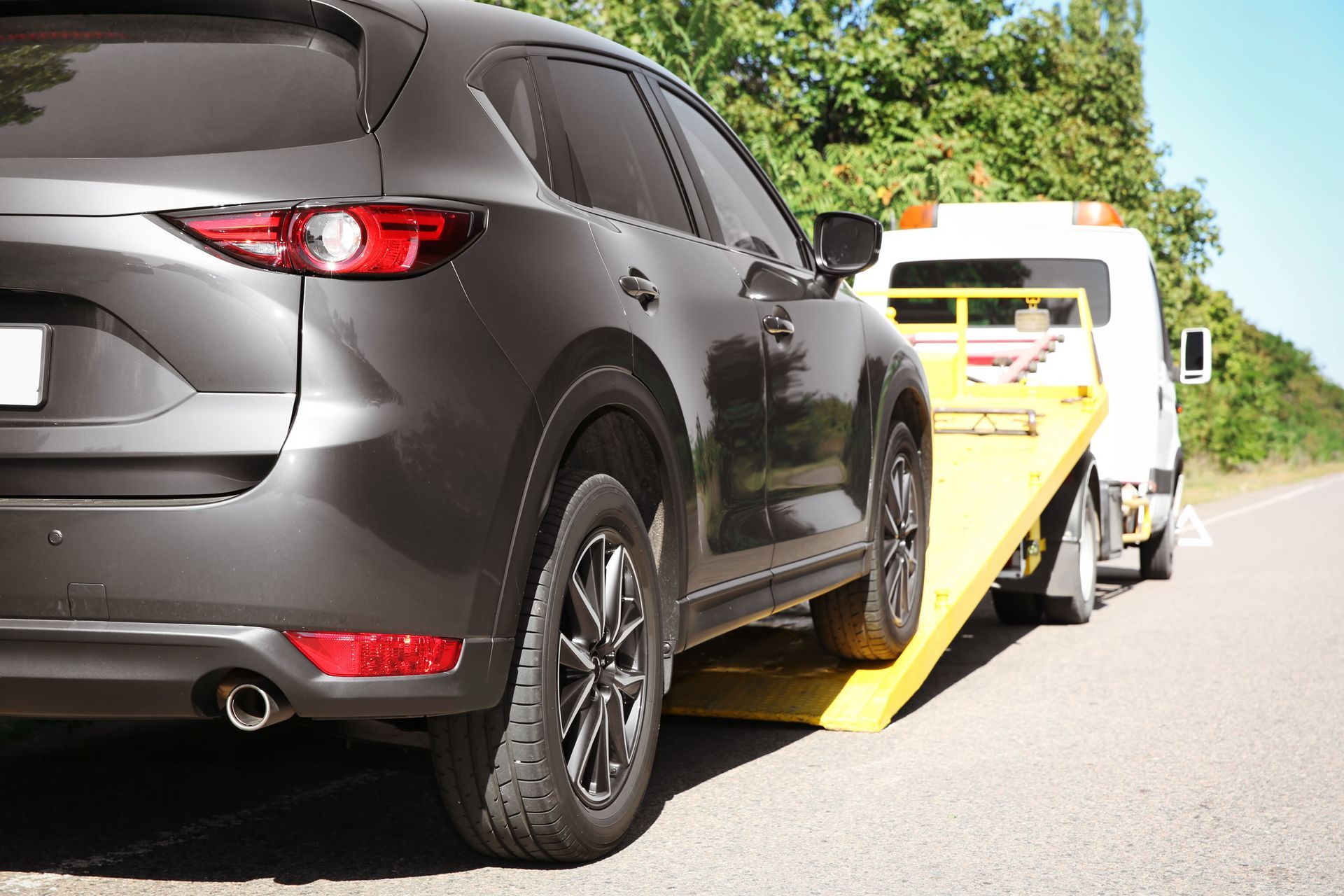
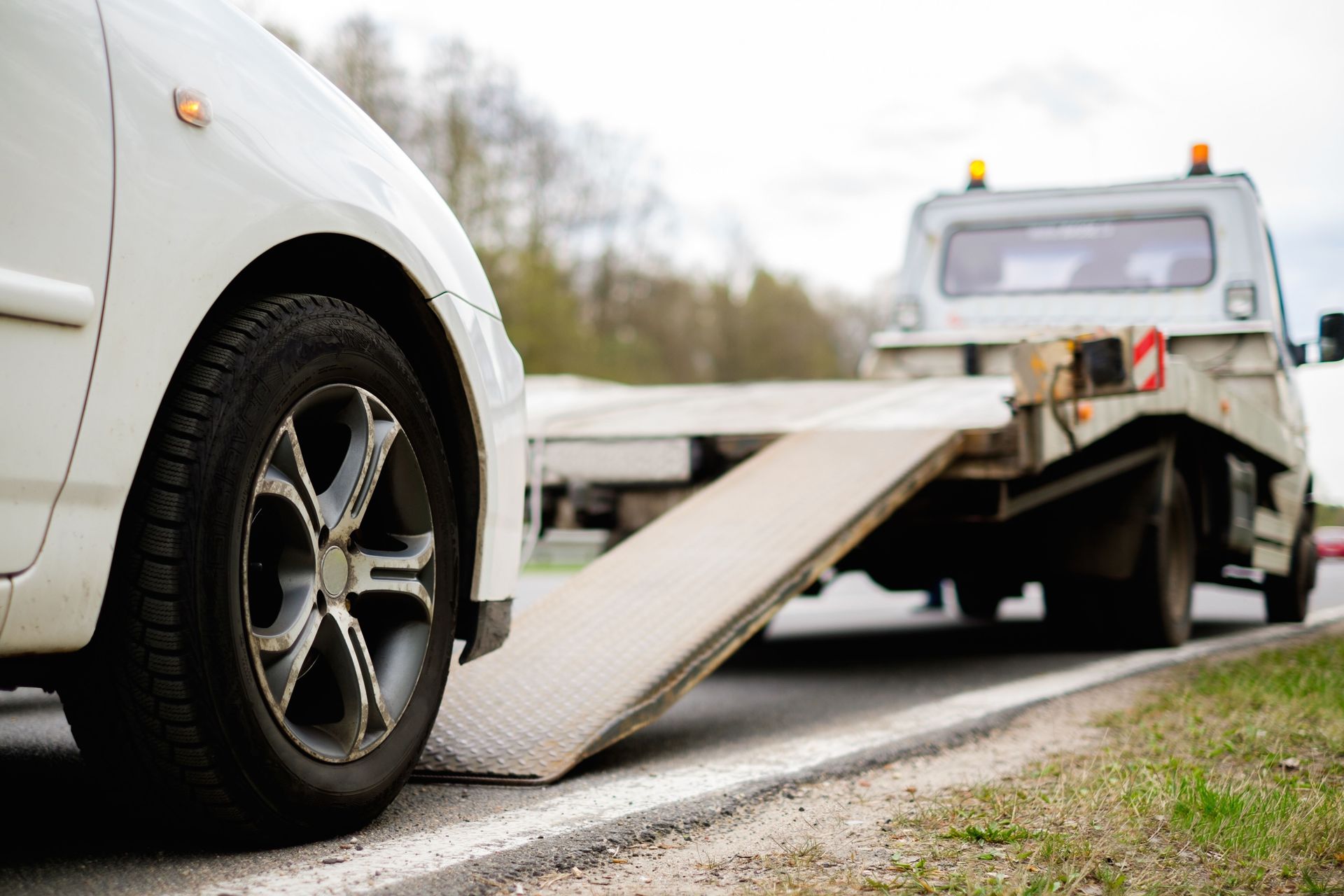
During accident situations, time is of the essence, and the structural integrity of a recovery vehicle is critical to resolving these incidents swiftly. Robust towing capabilities ensure that even large vehicles are moved efficiently, clearing roads for emergency services and minimizing further traffic disruptions. In densely populated urban areas, the ability to react quickly and transport away damaged vehicles prevents congestion and frustration among other road users. Advanced recovery vehicles equipped with enhanced power provide a reliable response system that upholds public safety during critical highway clearance operations.
According to CarBuzz.com, considered the best truck for towing in its class, the Ram 1500 has a maximum towing capacity of 11,600 pounds in the Limited and Limited Longhorn trims. This benchmark highlight underscores the extreme demands placed on modern fleet machinery. When roadside businesses utilize vehicles engineered with this tier of capability, handling heavy consumer trucks, packed SUVs, and loaded trailers becomes a fluid, predictable operation rather than a logistical hazard.
Inclement weather poses additional challenges where traction, torque, and control become critical components. In icy or wet conditions, recovery teams must exert greater force to move stranded or stalled vehicles, highlighting the necessity for top-notch machinery. Operators need to maintain vigilance, employing skillful navigation to prevent slippage and ensuring the secure transport of vehicles. These harsh conditions underscore the criticality of physical power to ensure road safety, even amidst adverse weather scenarios.
Embracing Technological Advancements in Fleet Management
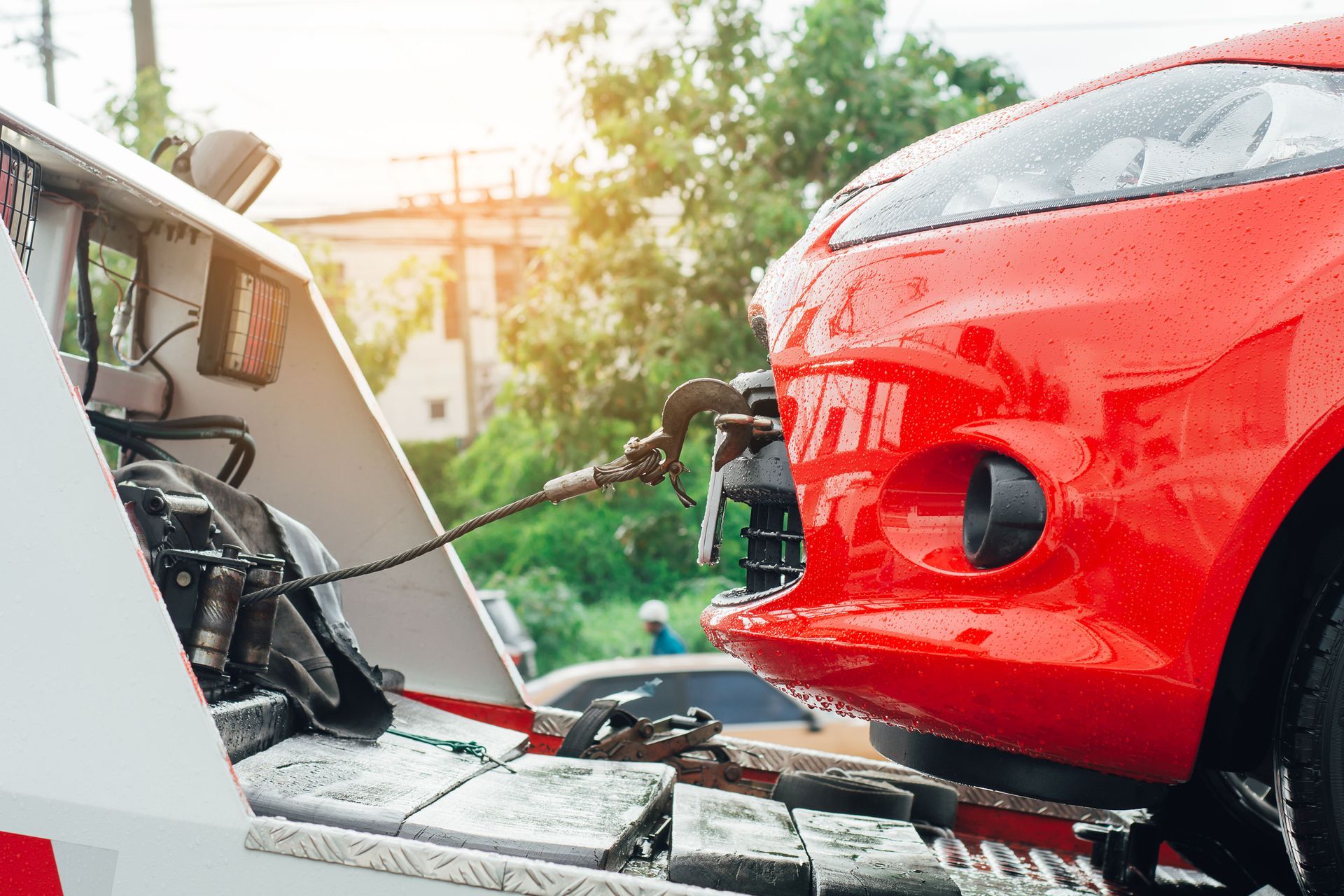
The evolution of recovery equipment continues to enhance the infrastructure necessary for efficient tow truck services. Innovations include stronger winches, reinforced cables, and advanced hoisting systems, all designed to boost overall leverage. These mechanical enhancements allow for the safer, more reliable transit of heavier vehicles without compromising municipal safety standards. This continuous improvement cycle ensures that fleet capabilities remain ahead of increasing demands posed by modern electric and armored consumer vehicles.
The integration of GPS and digital tracking systems marks a significant technological advancement, enhancing overall service efficiency. These systems provide real-time data, allowing dispatchers to monitor fleet locations and allocate resources effectively based on proximity and vehicle capacity. Instant communication facilitates the rapid deployment of assets to accident sites, ensuring timely assistance and optimized route planning. As a result, service providers can maintain high standards of efficiency, reinforcing customer trust in their dispatch systems.
The role of hydraulic systems in boosting operational limits cannot be overstated, with innovations redesigning traditional lifting methodologies. Modern hydraulic configurations allow for smoother lifts, more precise angle adjustments, and greater adaptability to various vehicle wheelbases. They ensure that vehicles, irrespective of their suspension or drivetrain construction, are handled safely, reducing the risk of component failures. The industry benefits tremendously from these updates, with everyday operations gaining both effectiveness and safety.
Developing Operator Skills and Field Competency
Becoming a proficient fleet operator requires engaging in rigorous certification programs and obtaining necessary commercial licenses. These programs ensure operators understand both the theoretical physics of weight distribution and the practical application of rigging practices. Mastering these vital skills is essential given the immense diversity of consumer automobiles on the road today. The process involves mastering technical specifics that equip personnel to safely manage heavy-duty equipment and navigate complex highway recovery scenarios effectively.
Safety remains the cornerstone of all recovery operations, with protocols devised to protect both the operator and client assets. Training programs emphasize adherence to strict anchoring guidelines, ensuring operators are well-versed in securing vehicles correctly, balancing payloads, and managing live traffic zones. Particular focus is placed on preemptive equipment checks, addressing issues such as cable fraying or hydraulic leaks before hitting the road. A commitment to these strict safety standards prevents catastrophic highway failures and fosters a highly professional operational culture.
Personnel are also required to master advanced maneuvering techniques to handle complex recovery spaces effectively. These techniques are vital in crowded downtown corridors, narrow alleyways, and during low-visibility conditions where precise control is non-negotiable. Knowledge of advanced backing, proper vehicle pivot anchoring, and managing multi-lane alignments ensures successful execution across all vehicle classes. Training encompasses field simulations and real-world applications, augmenting operator confidence and field competence.
Overcoming Operational Challenges in Asset Maintenance
Vehicle recovery is an arduous task, and the persistent utilization of heavy machinery leads to inevitable wear and tear on essential components. Structural steel, steel cables, winches, and low-profile beds endure considerable structural strain when constantly dealing with heavy payloads. Regular maintenance cycles and daily pre-trip inspections are imperative to identify microscopic stress fractures and prevent equipment failure during a pull. The high cost of specialized commercial components makes preventative maintenance an absolute financial necessity for modern fleet logistics.
Managing significant payloads inherently comes with the risk of overloading equipment, stretching the physical limits of a fleet's capacity. Exceeding manufacturer weight recommendations jeopardizes the structural integrity of recovery units and threatens the safety of surrounding motorists. Operators play an essential role here, requiring acute situational awareness and knowledgeable calculations to avoid pushing mechanisms beyond their safe working load thresholds. Avoiding overloads prevents costly drivetrain repairs, unexpected downtime, and severe operational liability.
Physical infrastructure limitations often present additional hurdles to efficient tow truck services. Narrow historical avenues, low-clearance urban bridges, and restricted construction zones can complicate standard load hookups, requiring strategic rigging adjustments. Operators frequently need to navigate these physical constraints while maintaining the safety and stability of the transport configuration. Creative problem-solving skills and highly adaptable mechanical setups are required to mitigate these spatial limits seamlessly.
Meeting Evolving Customer Expectations for Roadside Care
Modern consumers expect roadside assistance to be both rapid and transparent, viewing prompt arrivals as primary indicators of operational capability. The ability to arrive quickly and secure immobilized vehicles directly impacts client satisfaction and overall public reviews. Mechanical power plays an important role here, facilitating faster hookup times and quicker highway clearings without sacrificing asset safety. Meeting these temporal expectations solidifies a provider's market reputation, attracting commercial accounts through demonstrated field speed.
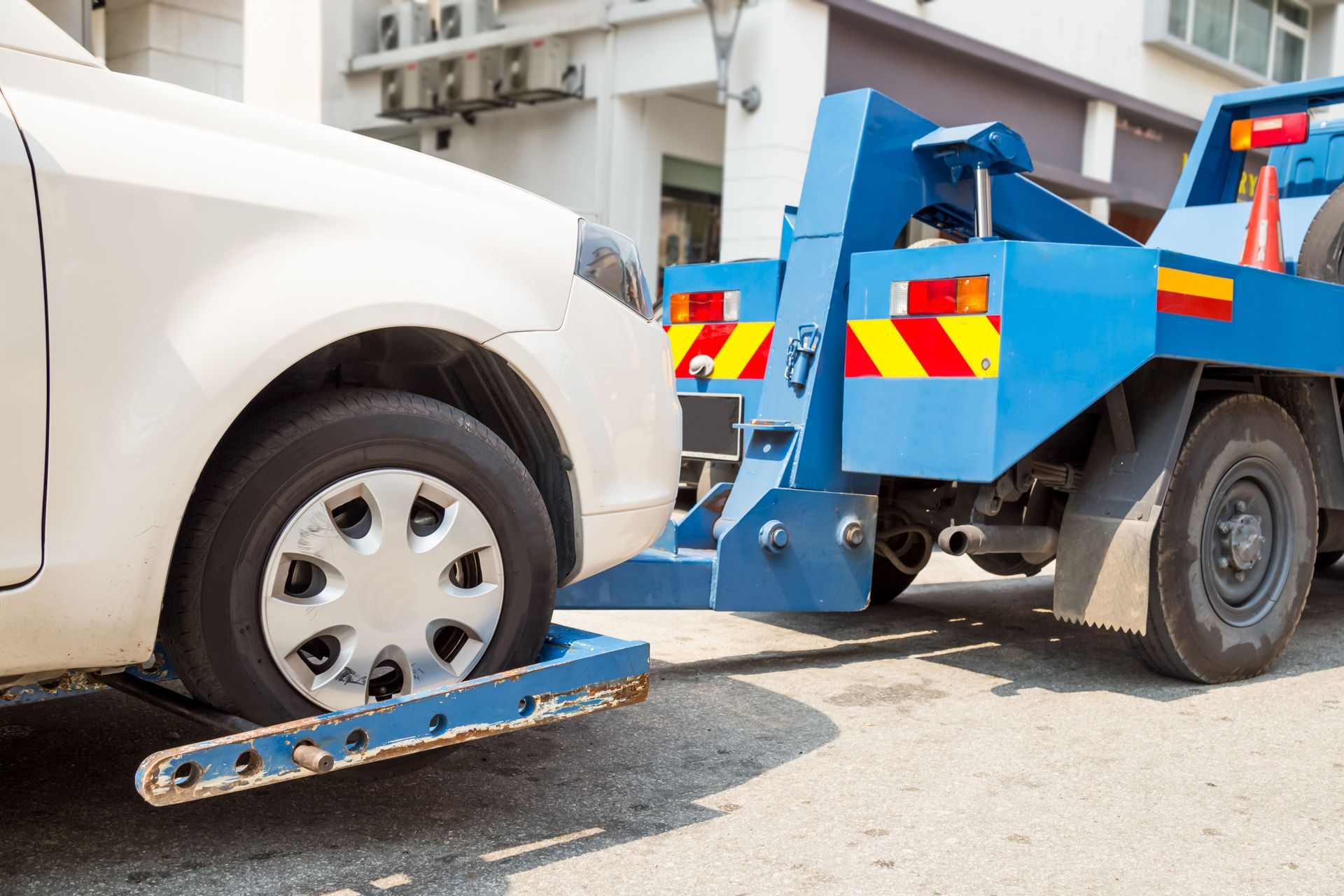
Confidence in the safe transport of their assets is paramount for consumers when selecting among local tow truck services. Possessing verified pulling capability prioritizes vehicle safety by securely anchoring frames, preventing secondary alignment damage, and ensuring body panels remain unblemished. Patrons trust that utilizing appropriate wheel lifts or flatbed configurations guarantees their vehicle remains protected throughout transit. Providing this level of physical assurance differentiates premier operations from low-tier providers, driving long-term customer retention.
The changing automotive landscape requires recovery networks to be highly adaptive, aligning their services with emerging electric vehicle designs and heavy battery configurations. Clients want assurance that field personnel understand how to handle alternative powertrains without damaging sensitive electrical architectures or triggering battery compartment hazards. This adaptability extends to ongoing field training, specialized dollies, and updated fleet selections. For more information about the services that we offer, reach out to our incredible team at Interstate Towing today!