May 5, 2026
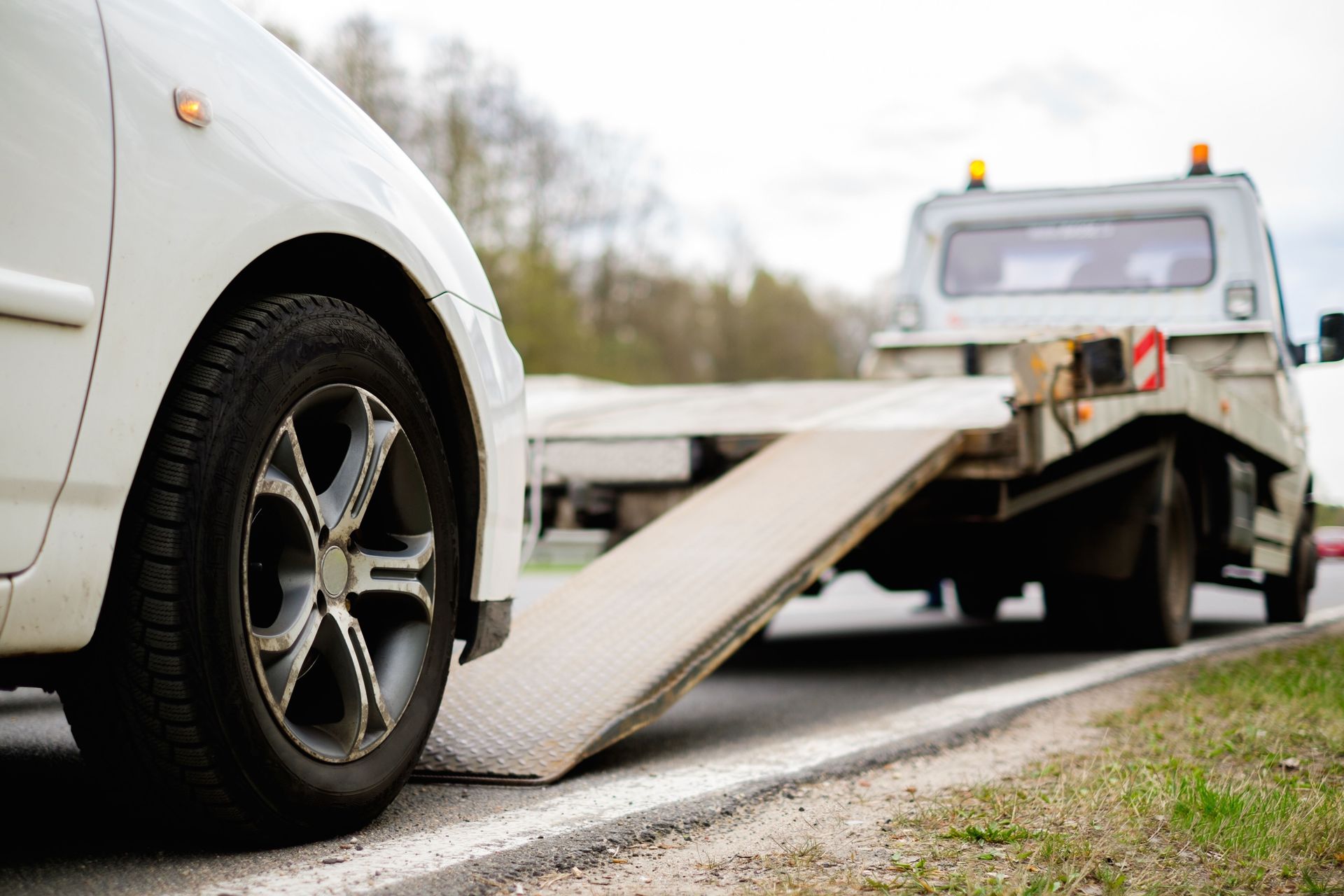
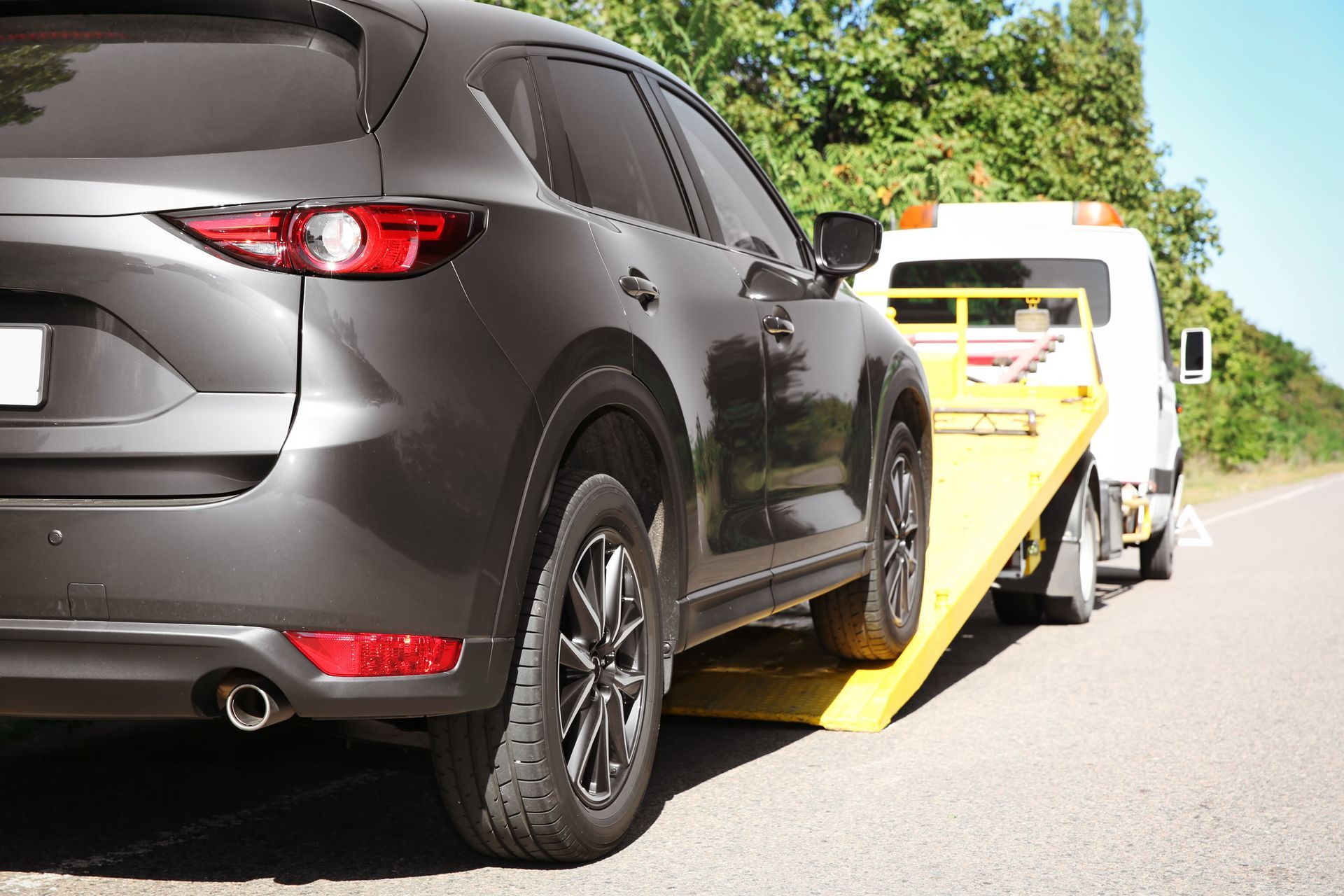
When a driver experiences a breakdown or accident, every minute matters. Several operational and environmental factors determine how quickly help arrives, especially when relying on a local tow truck service to reach the scene. Distance between the vehicle and dispatch center, time of day, and traffic conditions all play a role in shaping overall response speed.
One of the most important influences is how quickly a request is received and processed. The faster information is collected and relayed, the sooner assistance can be deployed. Communication delays, incomplete details, or unclear location data can slow everything down significantly. A well-coordinated system ensures that a local tow truck service can be dispatched without unnecessary delays, improving the chances of reaching motorists quickly and safely.
Environmental conditions, such as weather, also contribute to response variability. Snow, heavy rain, or congestion can all extend arrival times, even when crews are fully prepared. Understanding these challenges is essential for improving roadside assistance systems and setting realistic expectations for drivers in need of support.
Improving Dispatch and Communication Systems
Efficient dispatching is the backbone of fast roadside assistance. Modern technology allows service centers to instantly connect drivers with the nearest available unit, reducing downtime and confusion. A local tow truck service that uses advanced dispatch software can significantly reduce the time between receiving a call and sending help.
Clear communication between the driver, dispatcher, and tow operator is equally important. Miscommunication can lead to delays, incorrect routing, or unnecessary backtracking. Streamlined systems that use GPS tracking and automated updates help ensure everyone involved has accurate, real-time information. This coordination allows a local tow truck service to respond more efficiently and avoid wasted travel time.
In addition, integrated mobile platforms now allow stranded motorists to share exact location data with a single click. This reduces the need for verbal directions and minimizes confusion in high-stress situations. The result is faster deployment and smoother overall service delivery.
Optimizing Driver Location and Coverage Areas
One of the most effective ways to improve response time is by strategically positioning tow operators across service regions. The closer a truck is to the incident, the faster it can arrive. A local tow truck service that distributes vehicles strategically across urban and suburban zones can significantly reduce wait times for drivers.
Geographic coverage planning ensures that no area is left underserved. High-traffic zones, accident-prone intersections, and major highways typically require more frequent patrols or stationed units. By analyzing historical call data, companies can position resources where they are needed most.
Dynamic repositioning is also becoming more common. When a tow truck completes a job, it can be redirected to a nearby high-demand area instead of returning to a central yard. This flexibility allows a local tow truck service to stay responsive even during peak demand periods.
Reducing Traffic Delays and Route Planning
Traffic congestion is one of the most significant barriers to fast roadside assistance. Even when drivers are nearby, gridlocked roads can extend arrival times. A local tow truck service that uses real-time navigation tools can avoid heavily congested routes and select faster alternatives.
Modern GPS systems analyze live traffic conditions, accidents, and construction zones to recommend optimal paths. This helps operators bypass delays and reach stranded vehicles more efficiently. In busy urban environments, even a few minutes saved in routing can make a noticeable difference in overall response performance.
In addition to navigation technology, experienced drivers also play a role in improving efficiency. Familiarity with local roads allows operators to make quick judgment calls when unexpected delays arise. Combining human expertise with digital tools creates a balanced and highly effective routing system.
Strengthening Fleet Readiness and Equipment Maintenance
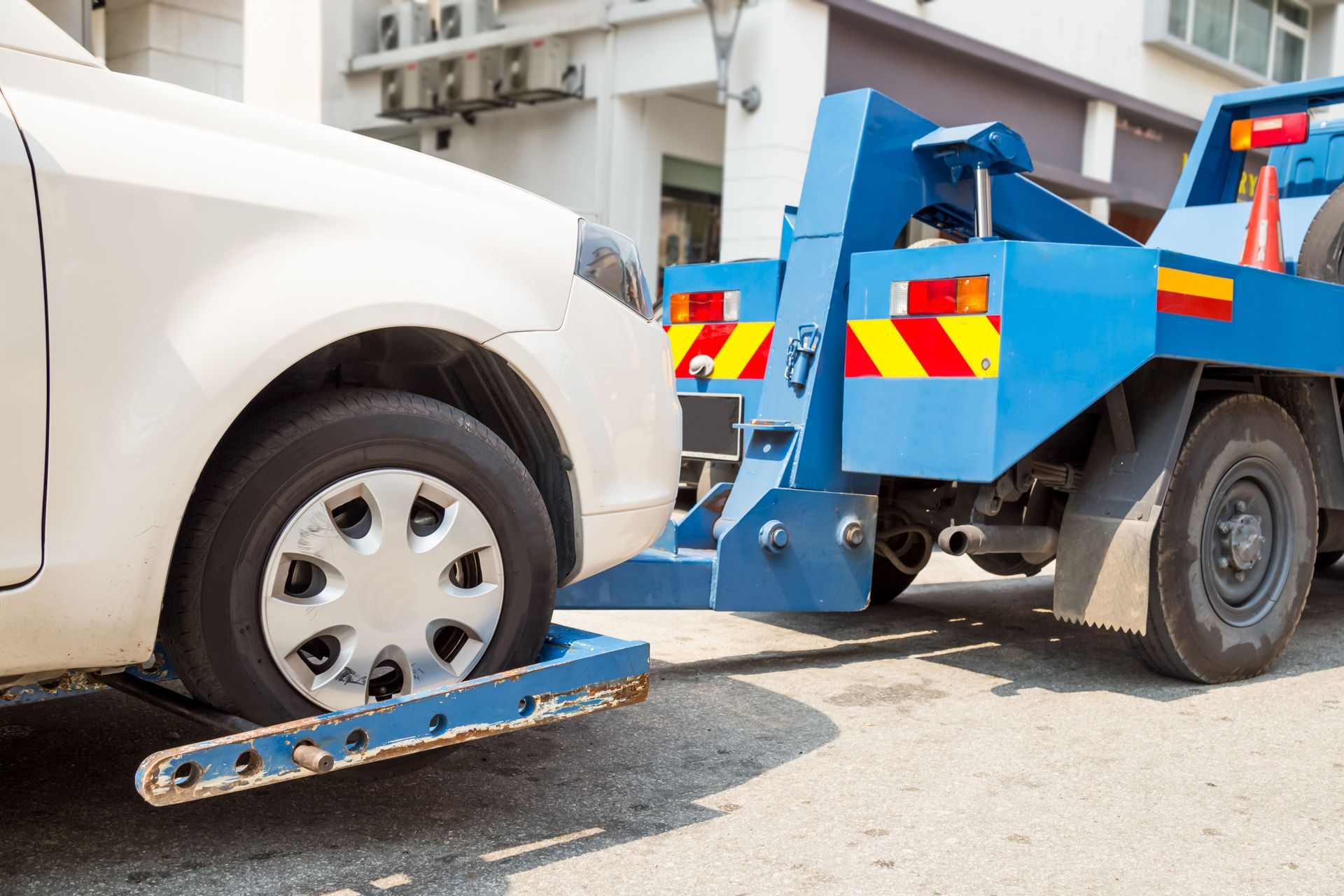
A well-maintained fleet is essential for minimizing delays. Mechanical issues, breakdowns, or equipment failures can prevent a timely response, even when dispatch systems are efficient. A local tow truck service that prioritizes regular maintenance ensures that vehicles are always ready for immediate deployment.
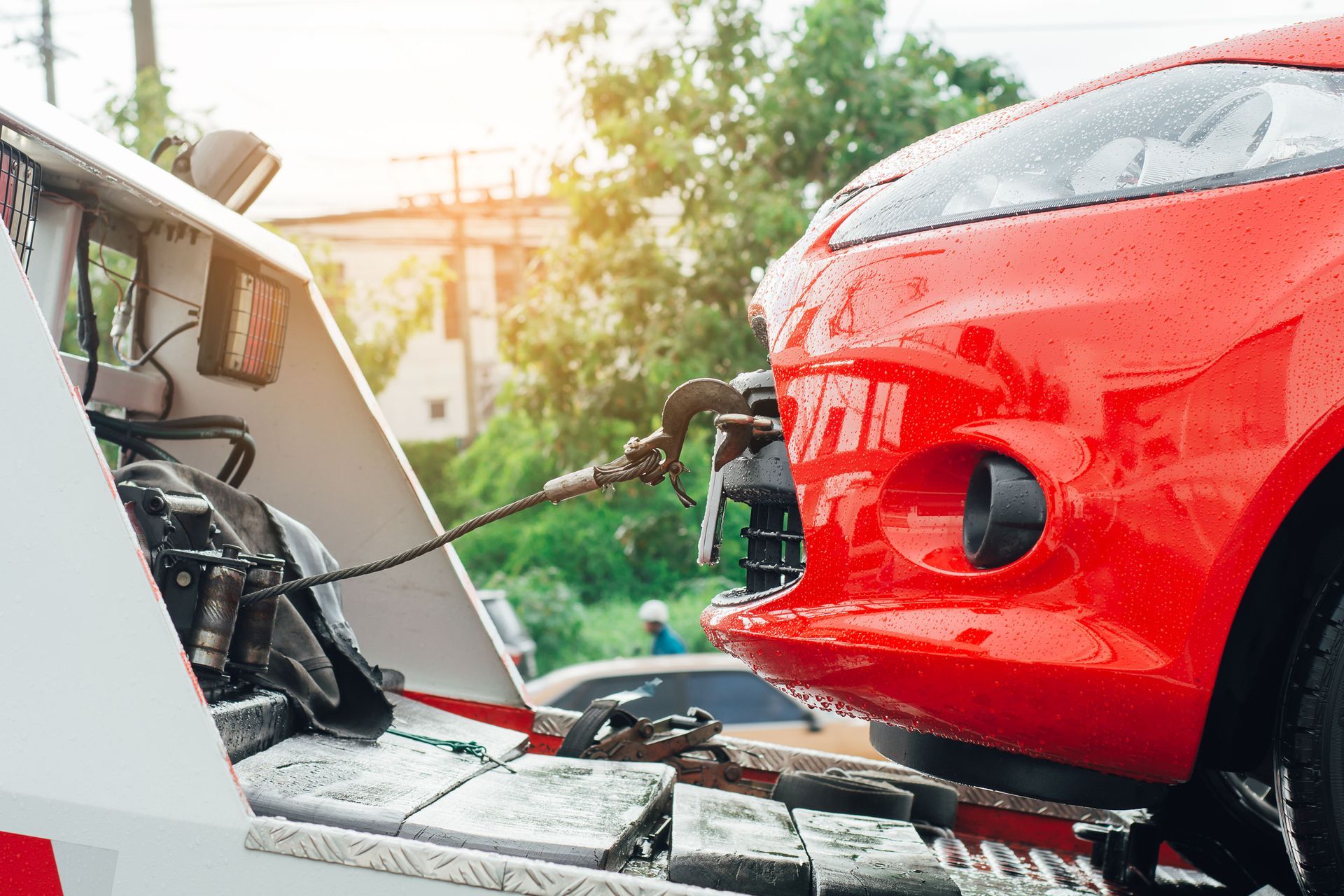
Routine inspections help identify potential issues before they become operational problems. Tires, hydraulics, winches, and towing mechanisms must all be in excellent condition to avoid disruptions in service. Preventative maintenance schedules reduce downtime and improve overall reliability.
Vehicle readiness also includes proper staffing. Ensuring that trained operators are available and on standby at all times helps eliminate delays caused by personnel shortages. When both equipment and staff are fully prepared, response times become more predictable and consistent.
Enhancing Customer Preparedness and Information Accuracy
Accurate information from the caller is critical in reducing response delays. When motorists provide clear details about their location, vehicle condition, and situation, dispatchers can send the right assistance immediately. A local tow truck service relies heavily on this accuracy to ensure efficient routing and proper equipment selection.
Simple mistakes such as incorrect street names or vague descriptions can lead to confusion and wasted time. Encouraging drivers to use GPS-based location sharing helps eliminate these issues. Many modern systems allow users to send their exact coordinates directly to dispatch centers, reducing the risk of miscommunication.
Preparedness also involves understanding what to expect during roadside emergencies. Drivers who remain calm and follow instructions can help streamline the entire process, allowing assistance to arrive more quickly and safely.
Increasing Reliability Through Local Service Networks
Strong local partnerships and networks play a key role in improving response times. A local tow truck service that collaborates with nearby repair shops, roadside assistance providers, and emergency responders can operate more efficiently within the community.
These relationships help create a coordinated system where resources are shared, and support is readily available. For example, if one operator is occupied, another nearby unit from the network can step in to handle the request. This reduces wait times and ensures continuous coverage.
Local knowledge also enhances performance. Operators who understand regional traffic patterns, road layouts, and common accident zones can respond more effectively. This familiarity allows them to anticipate challenges and choose faster routes before delays occur.
Building Faster Roadside Assistance Outcomes
All of these factors — dispatch efficiency, coverage planning, traffic navigation, fleet readiness, and communication — work together to shape overall response performance. A well-structured system ensures that help arrives as quickly as possible when drivers need it most. A local tow truck service that integrates these strategies can consistently reduce wait times and improve customer satisfaction.
Technology continues to play a major role in advancing roadside assistance. From real-time tracking to automated dispatching, modern tools are making it easier to respond faster and more accurately than ever before. At the same time, human expertise remains essential in making quick decisions under pressure. As demand for faster service continues to grow, companies that invest in efficiency, training, and infrastructure will remain best positioned to deliver reliable support on the road.
At Interstate Towing, we understand that every minute counts when you are stranded on the road. According to WifiTalents, drivers in urban areas typically wait about 45 minutes on average for towing assistance to arrive. Our commitment to fast response times is built on strategic dispatching, well-maintained equipment, and highly trained operators who are ready to act when you need help most. As a dependable local tow truck service, we continuously work to reduce delays and provide reliable roadside assistance across our service areas.
Whether you are dealing with a breakdown, accident, or unexpected vehicle issue, our team is prepared to respond quickly and efficiently. By combining advanced technology with real-world experience, we ensure that help is never far away. Choosing a local tow truck service like ours means choosing faster arrival times, better communication, and dependable support when it matters most. At Interstate Towing, our goal is simple: to get you back on the road safely and as quickly as possible.